Exhibitions
The Infinite Exile of the Hero
This is the story of women on the road; of those who gave up and those who refused to, of those who resisted oppression, those who stood tall in defiance, and those who embraced their pain through resistance… Most importantly, it is the story of those who clung to one another to heal their wounds—the story of how everything becomes possible when they hold each other’s hands.
Curated by Tilbe Şendoğan
Artworks
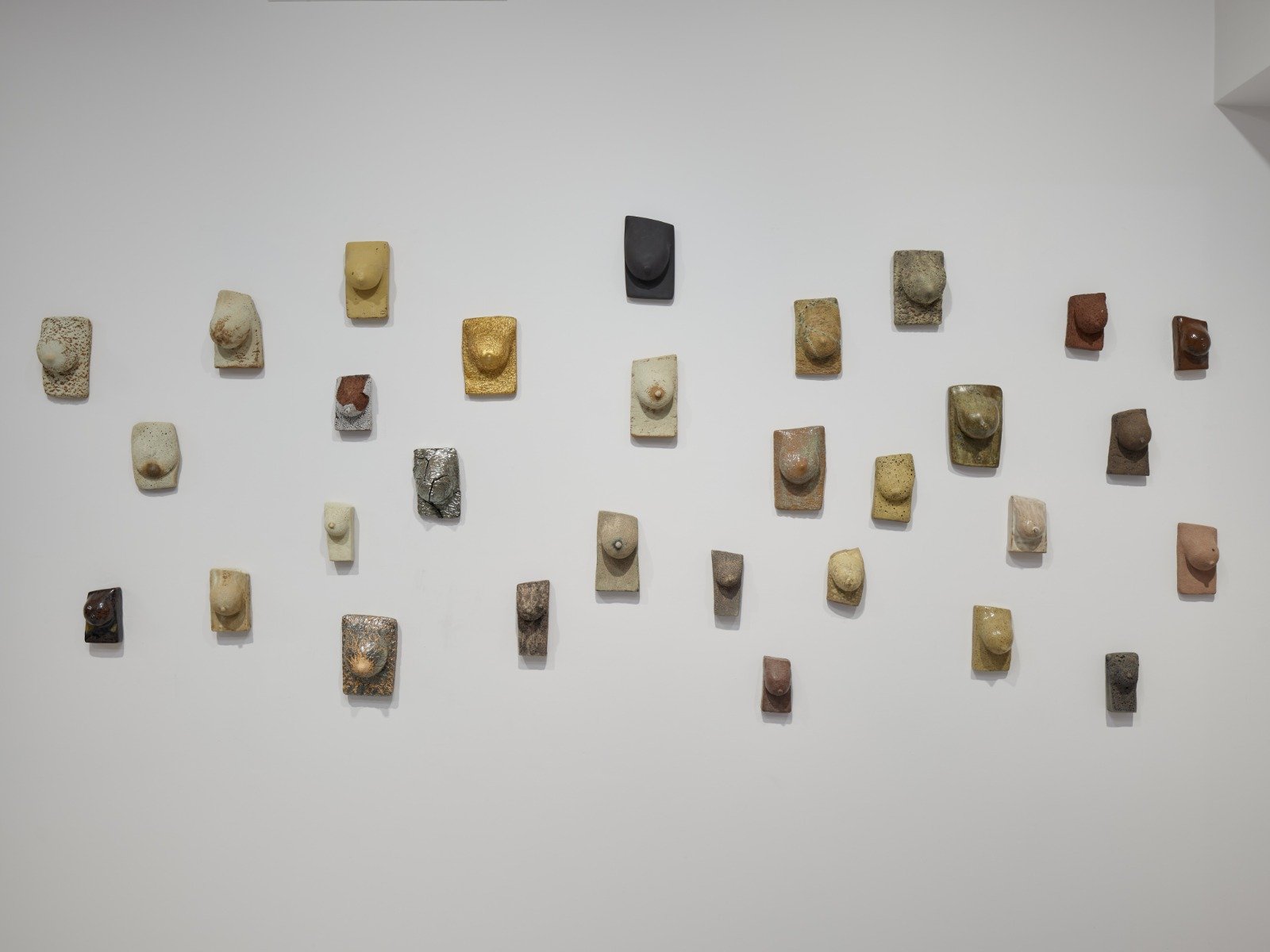
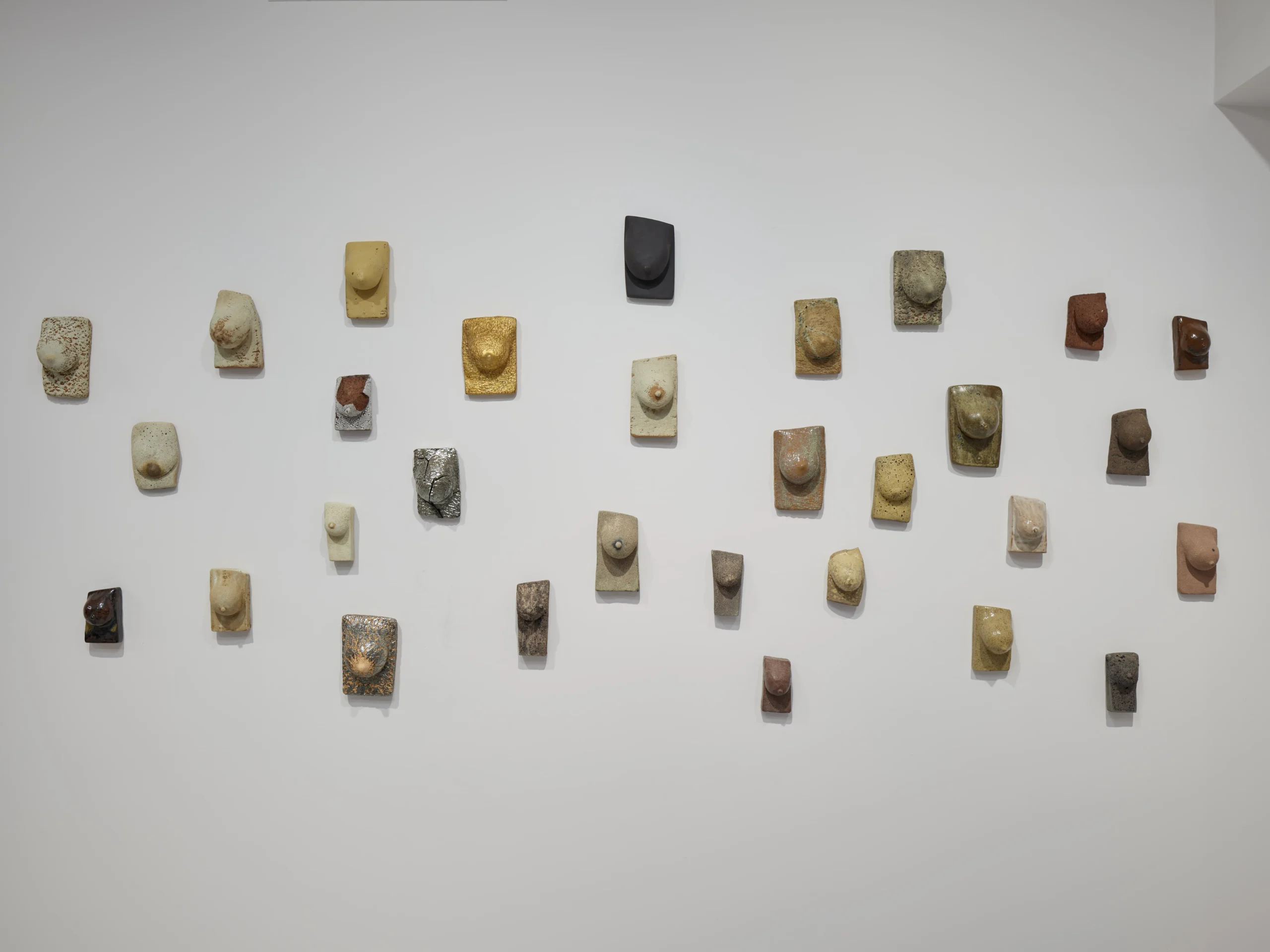
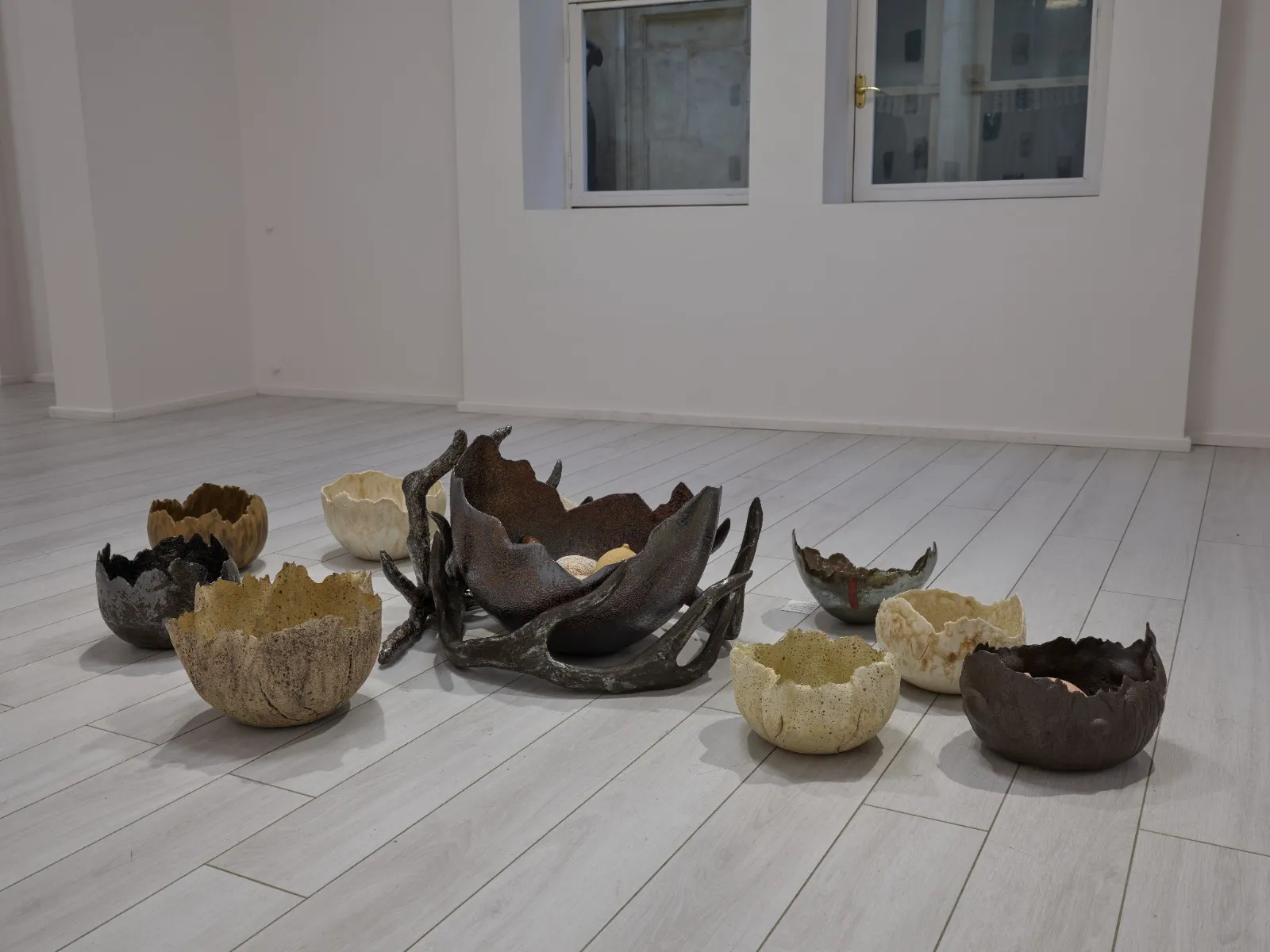
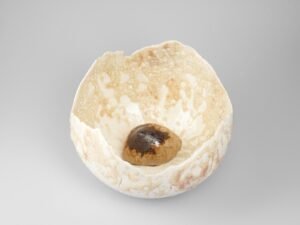
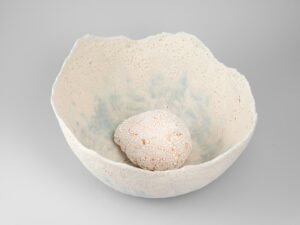
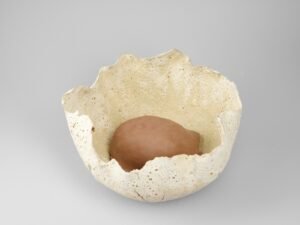
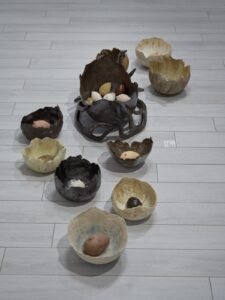
- Self-Birthing Ones
- The Self-Born
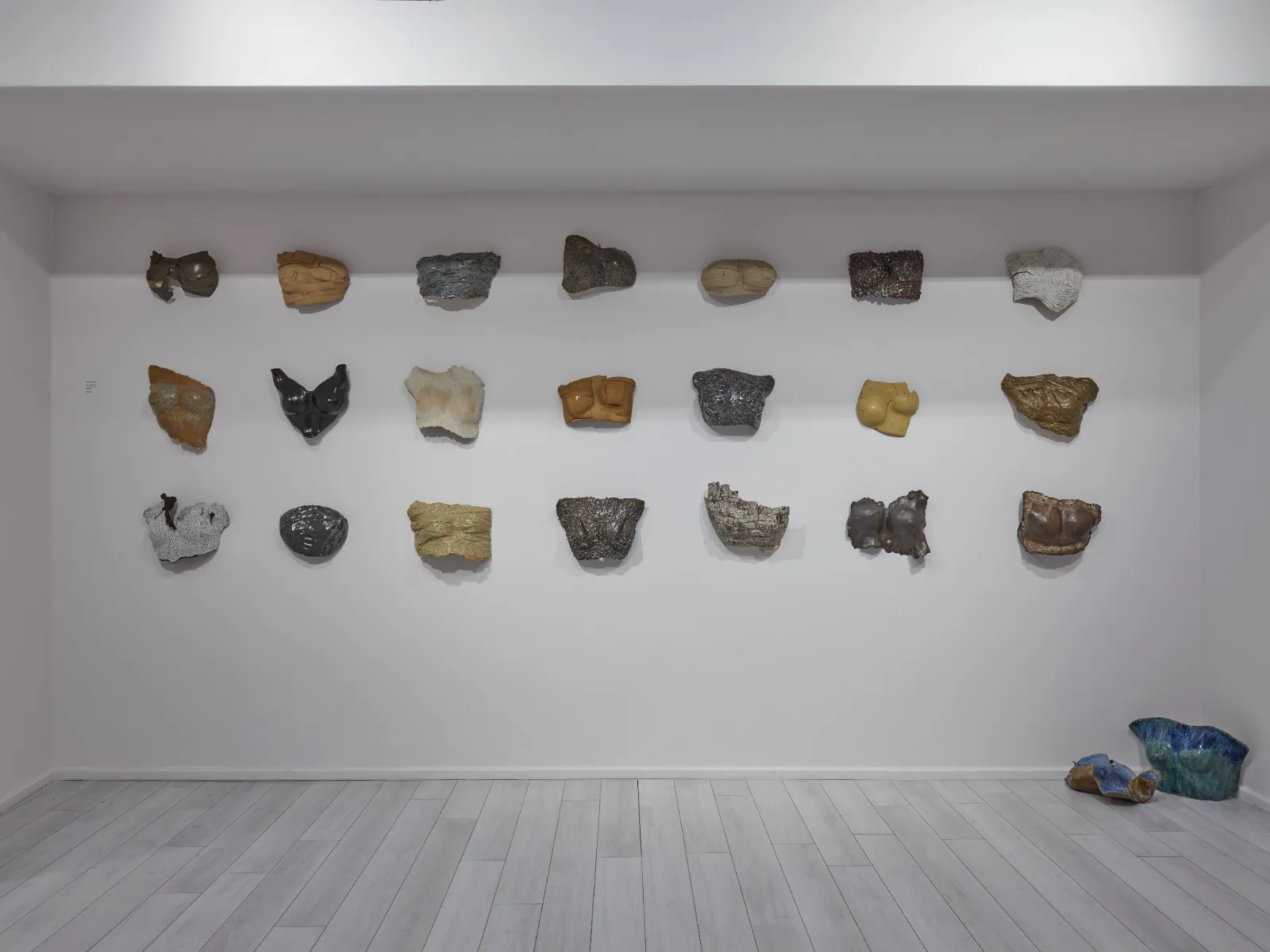
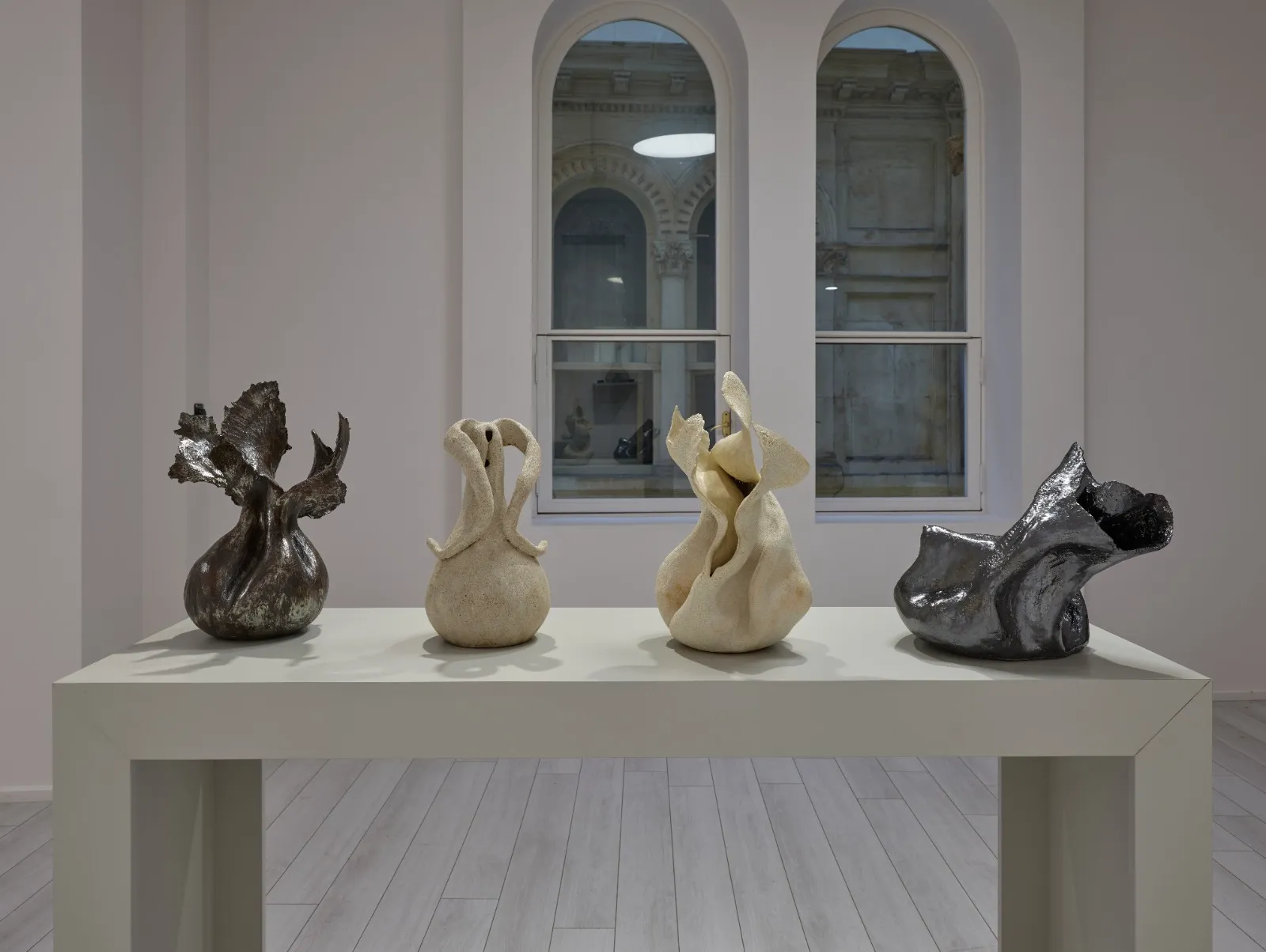
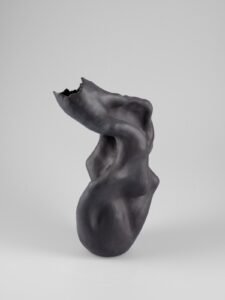
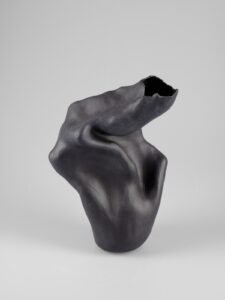
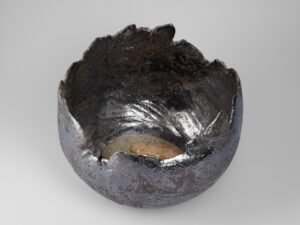
- Armors of Womanhood
- Monuments of Womanhood
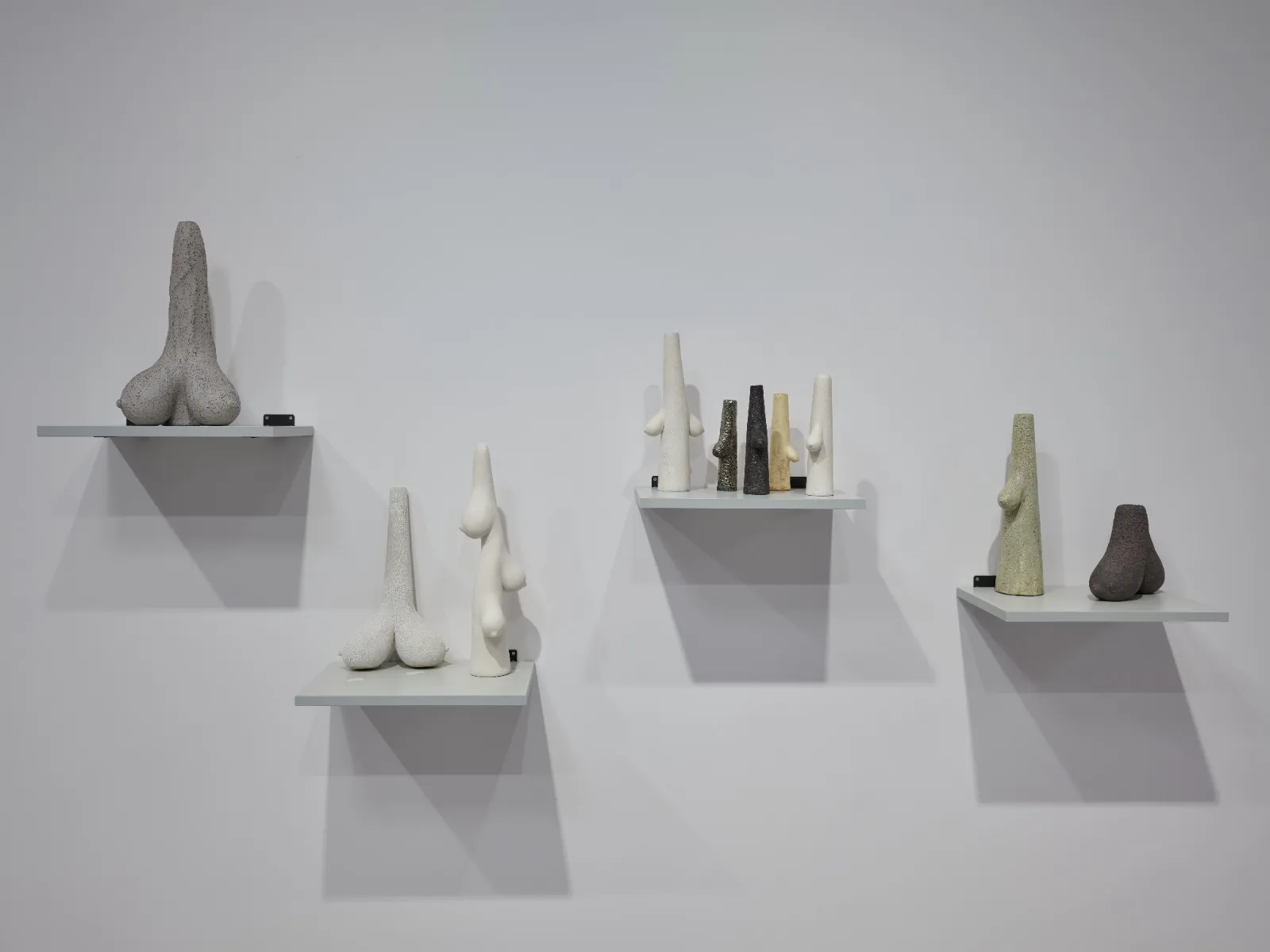
- Woman’s Lap
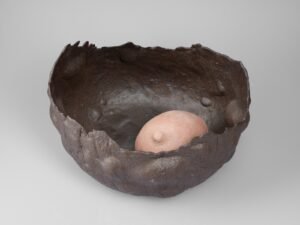
- Wise Breasts
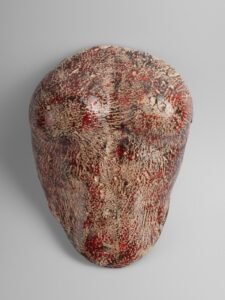
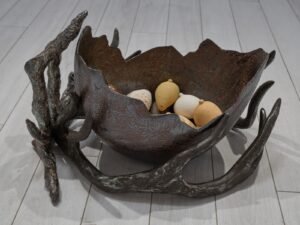
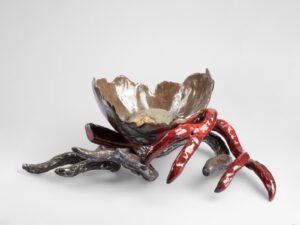
In Kurdish—my mother tongue and that of the Yazidis—the word for nature is ‘xweza’, which literally means ‘that which gives birth to itself’ (the self-birthing). As a part of nature, we live by leaving various parts of ourselves behind, much like a shell or a skin. Just as a tree sheds its leaves and bark to transform them into fertilizer that nourishes its roots, continuing its cycle; we reprocess the psychic shells and skins we leave behind over time, integrating them into the richness of our souls. Since those parts that fall to the ground are our purest and most desire-filled aspects, the emotional memories and traces they leave behind can never be erased.
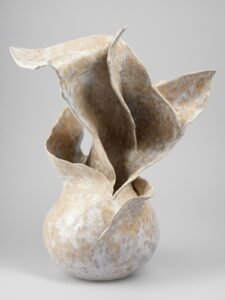
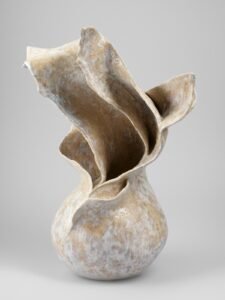
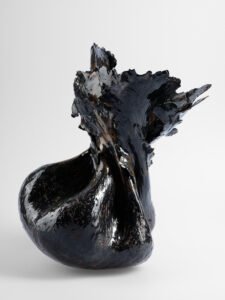
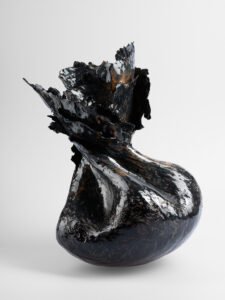
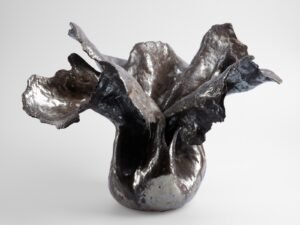
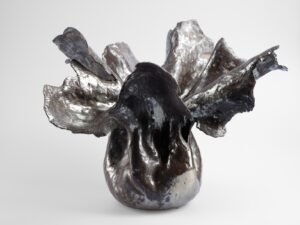
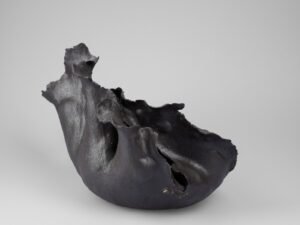
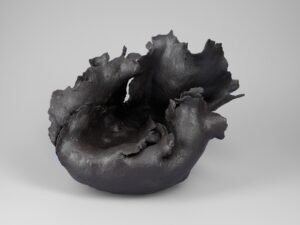
Knowing that one possesses the capacity to create a new life and feeling it develop within is equivalent to divinity. The birth pangs must be as intense as the wrath of God; so much so that sacred texts describe it as ‘a punishment God bestowed upon Eve.‘ Despite this, a woman persists until the cervix tears to give birth to her baby. And the moment birth occurs, she is filled—overflowing—with peace and joy. No pain can overshadow the pride and happiness of nurturing and birthing a baby within. On the contrary, it is love at first sight.
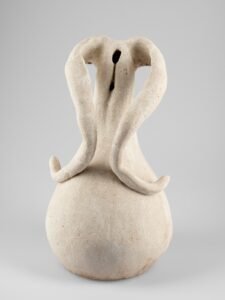
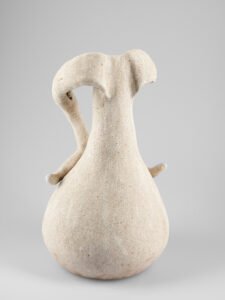
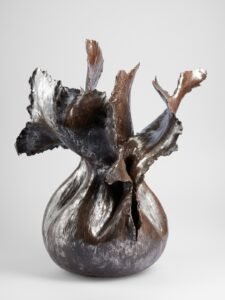
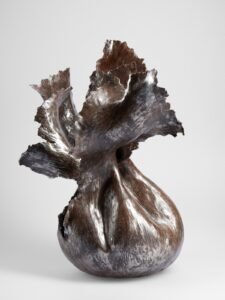
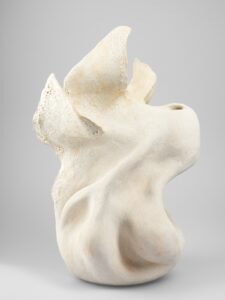
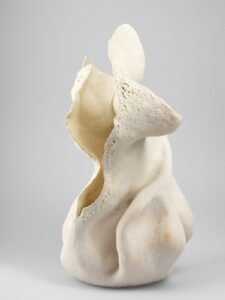
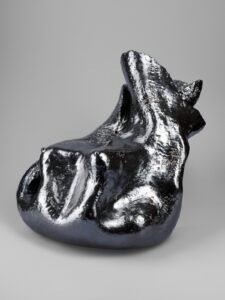
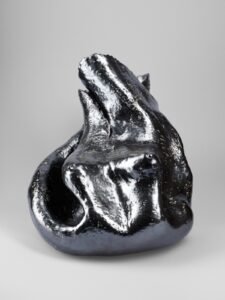
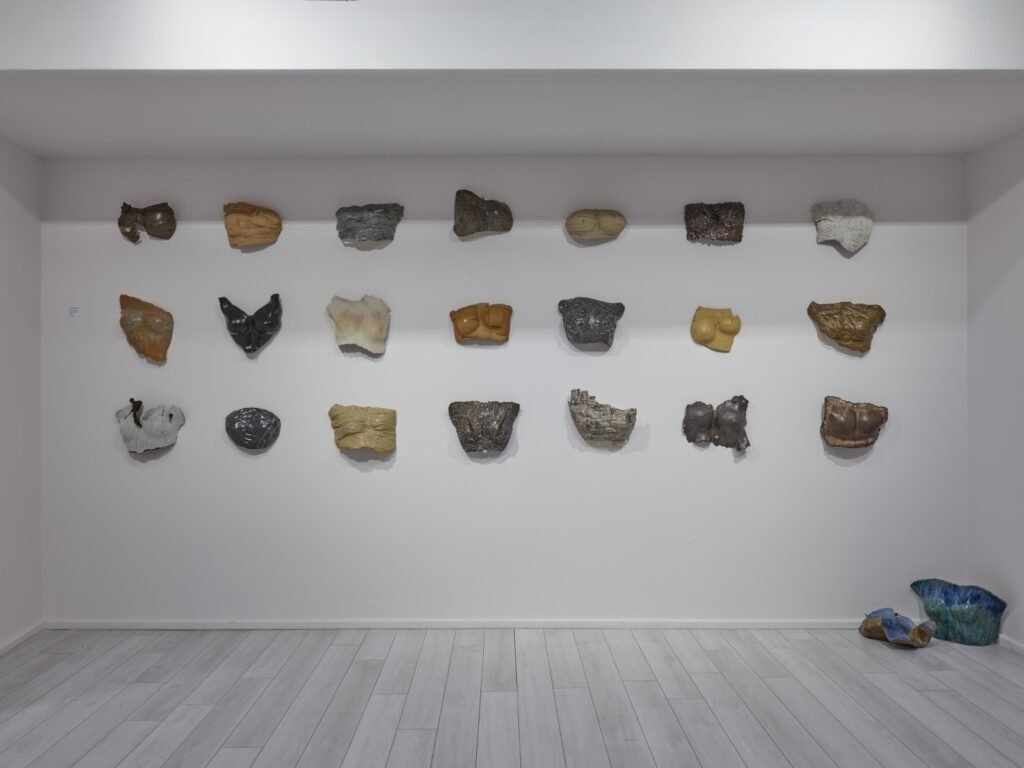
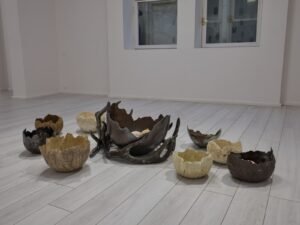
History, written by masculinity, has only produced armor to protect the male body. Since it regards women as spoils of war—much like any other object—it has seen no need for a tool to protect them. It is for this very reason that the ‘Armors of Womanhood’ stand in formation like soldiers, making a direct reference to militarism. Each of these works, possessing a unique type of earth, form, and color, emphasizes the singularity of the human being. Inspired by women—some of whom merged into the earth, while others transcended different lands—these armors were left behind like shells along migration routes.
These works convey that we remember both those who were lost and those who were able to carry on with their lives, and that we draw inspiration from them.
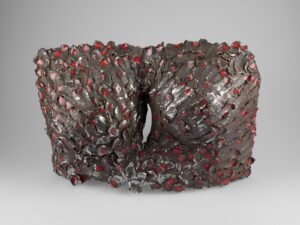
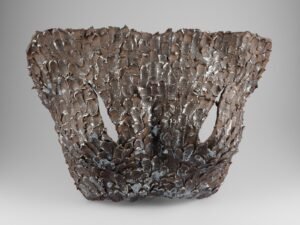
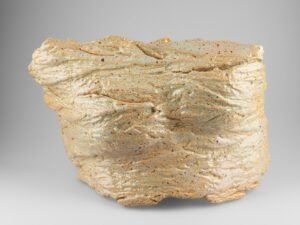
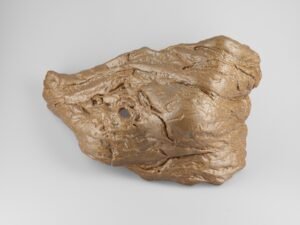
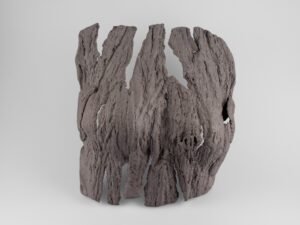
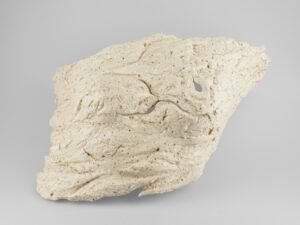
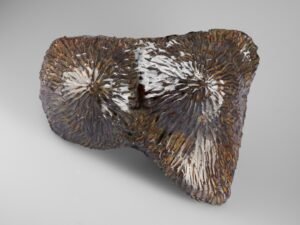
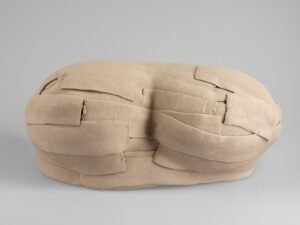
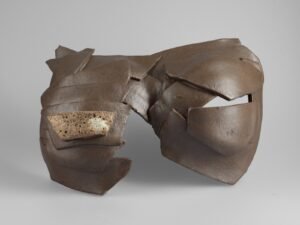
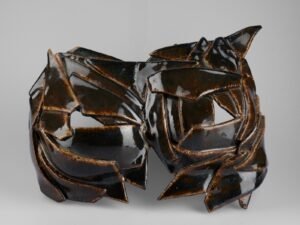
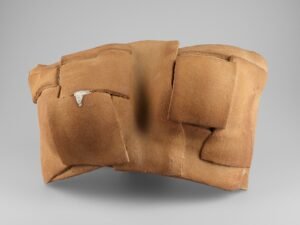
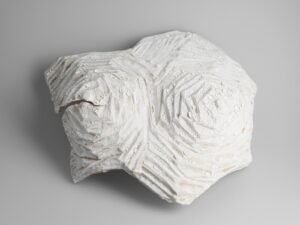
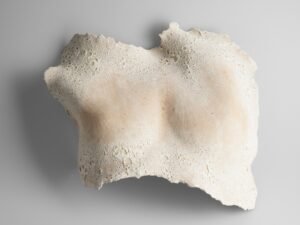
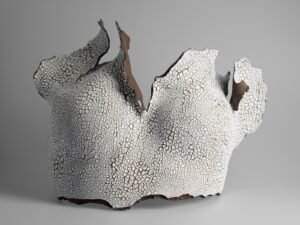
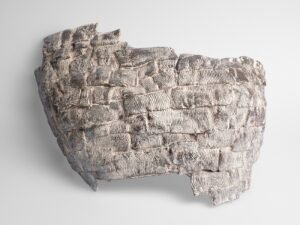
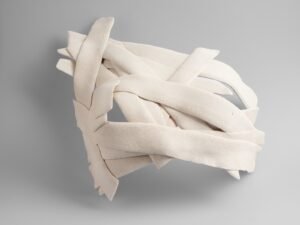
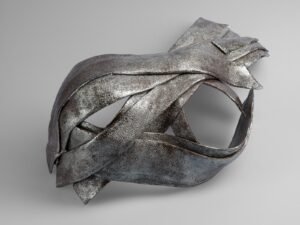
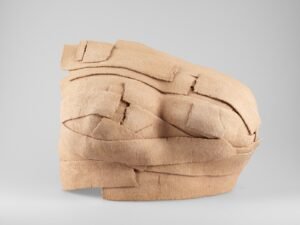
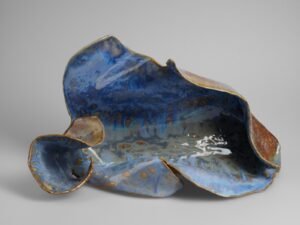
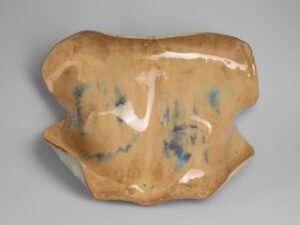
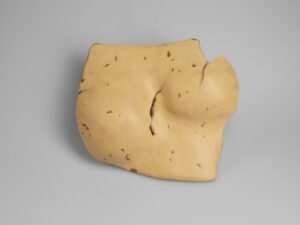
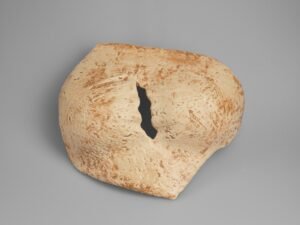
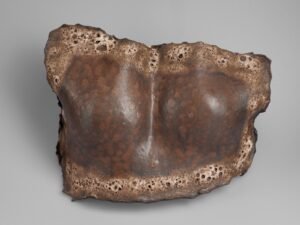
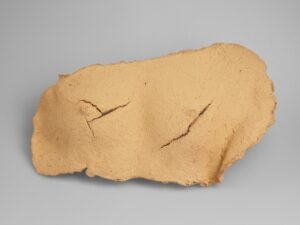
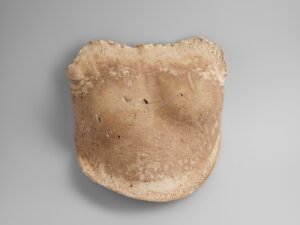
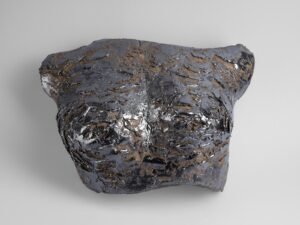
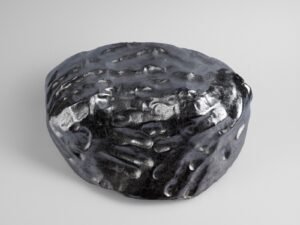
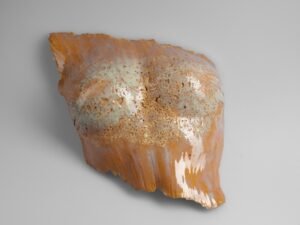
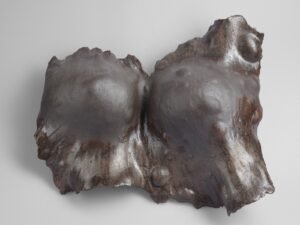
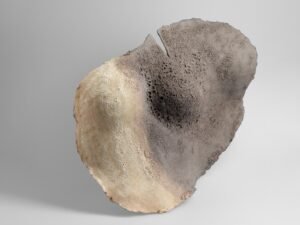
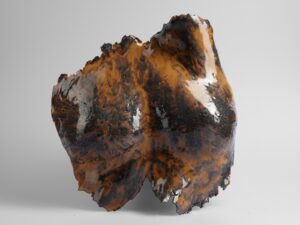
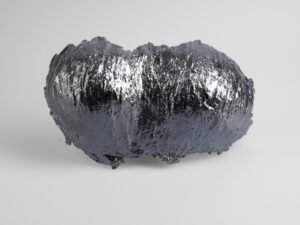
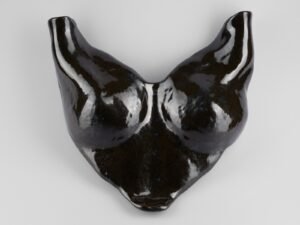
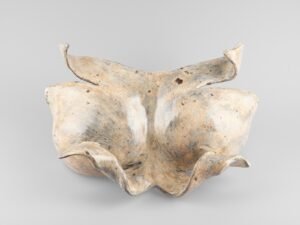
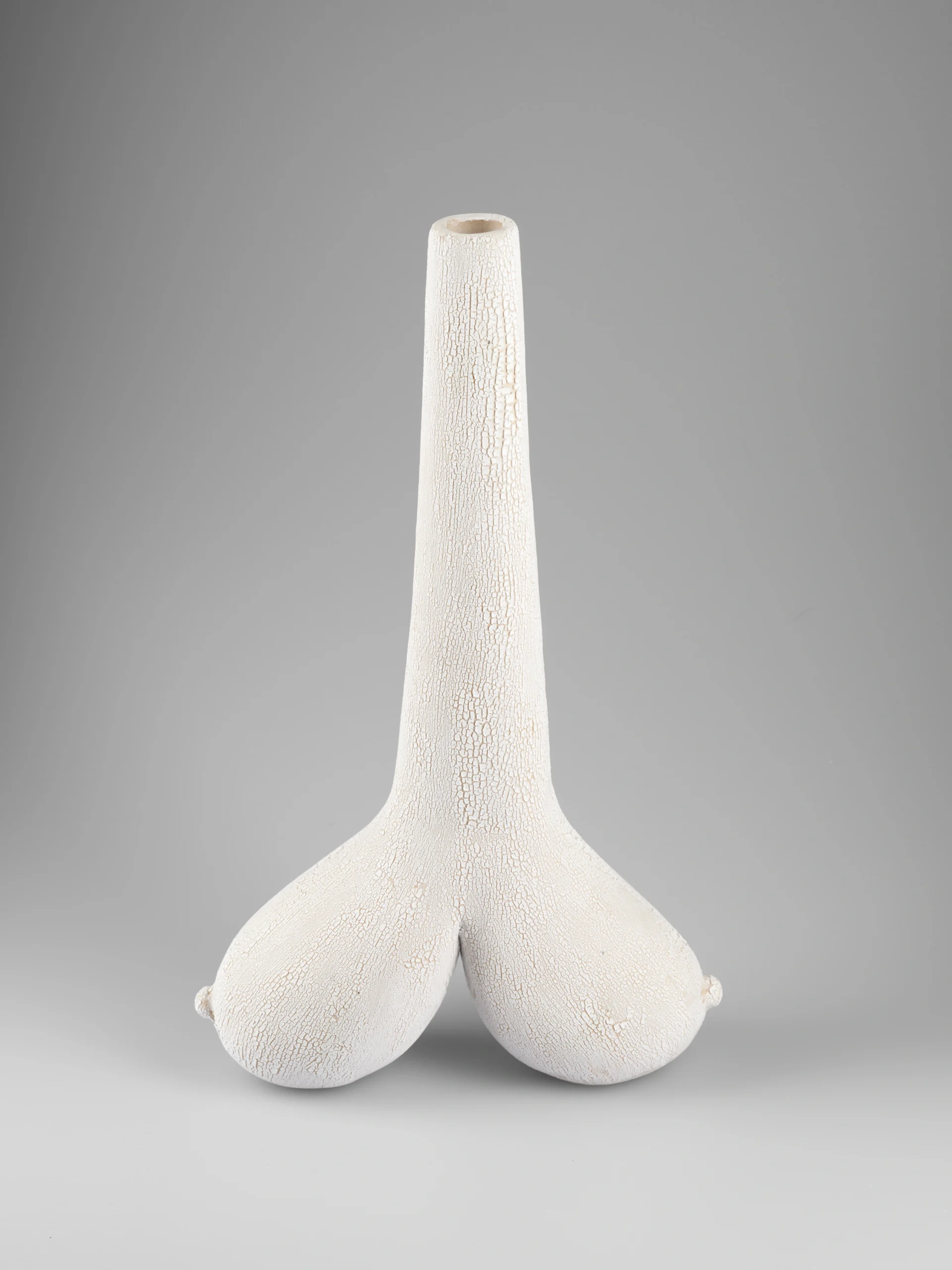
For the modern world, a woman is merely ‘a thing with breasts.’ Possessing the essence of fertility is a great threat. Being emotionally and intuitively strong is a crime that must be immediately punished with the label of ‘hysteria.
Since the time of Cain and Abel, the male—who has constructed his existence through competition—feels castrated in the face of female productivity. Therefore, to exist, one must prune away feminine traits and stand as stiff as a candle.
In fact, to cope with male competition, one falls into the trap of ‘dick-headedness’—acting as if possessing an unproductive penis—crushing the women they have power over. On the stage of social life, women are only deemed ‘acceptable’ if they hold their breasts like trinkets and agree to be part of the decor.
This is why women stand on their breasts, not on their feet!
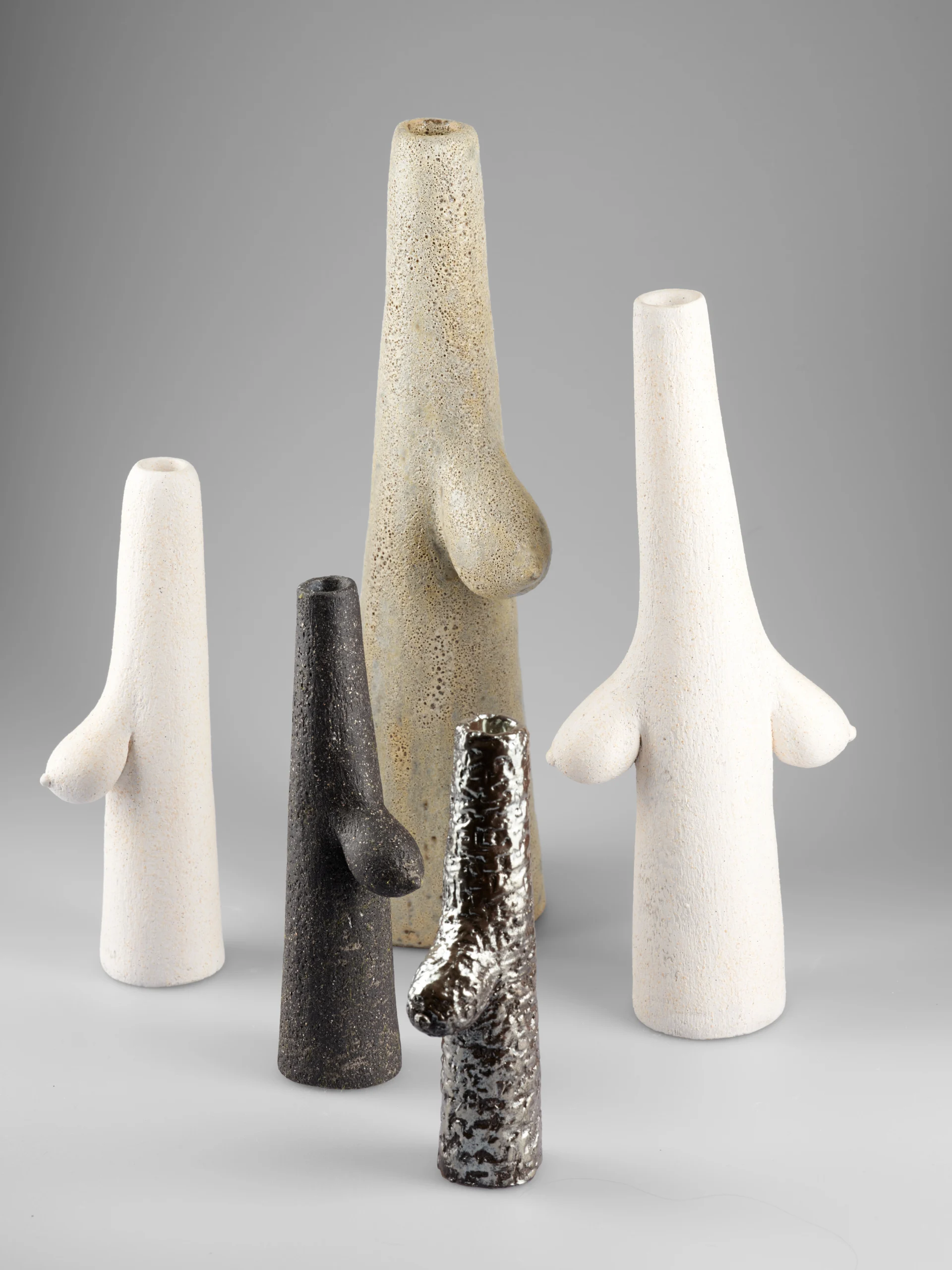
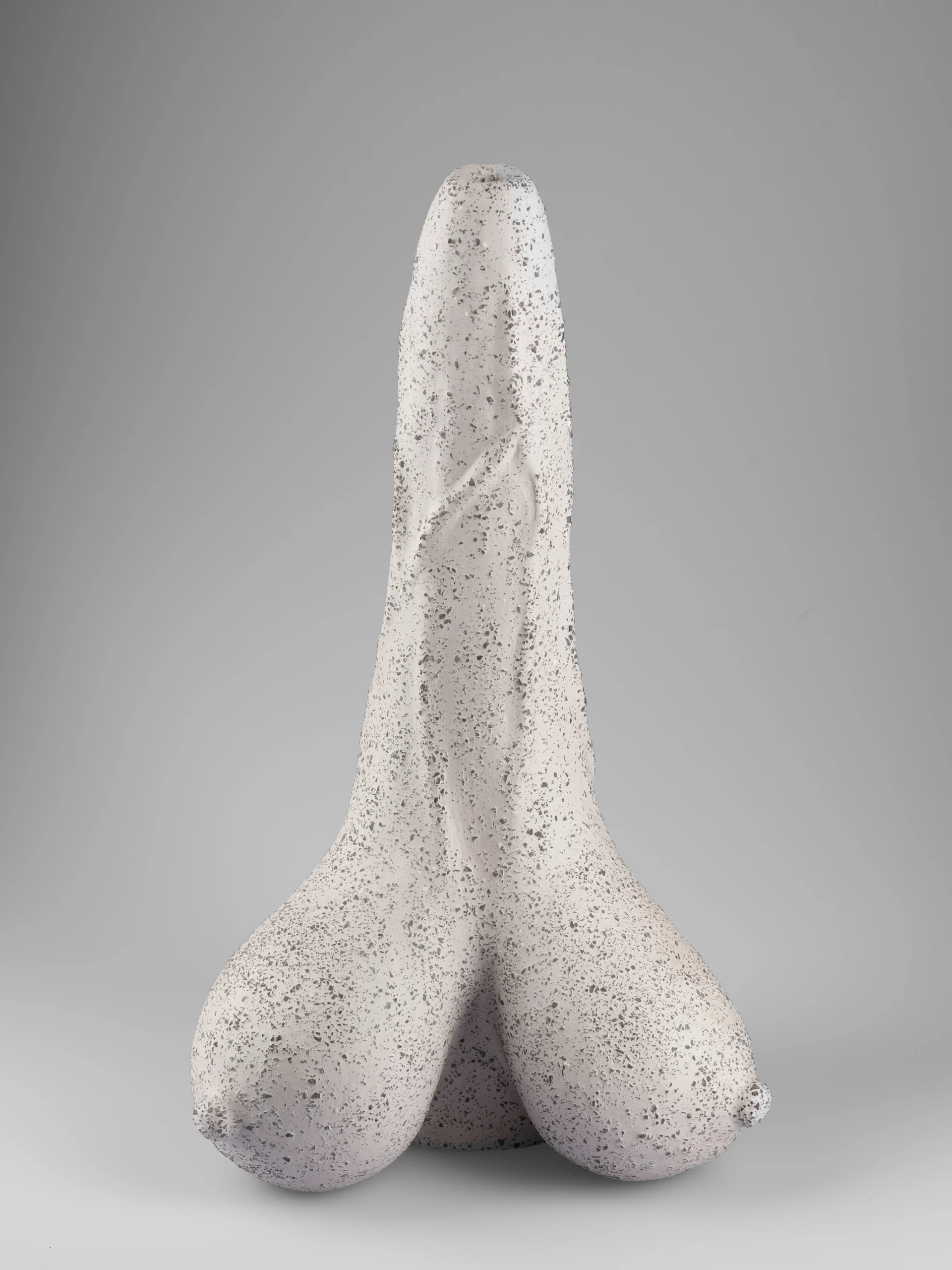
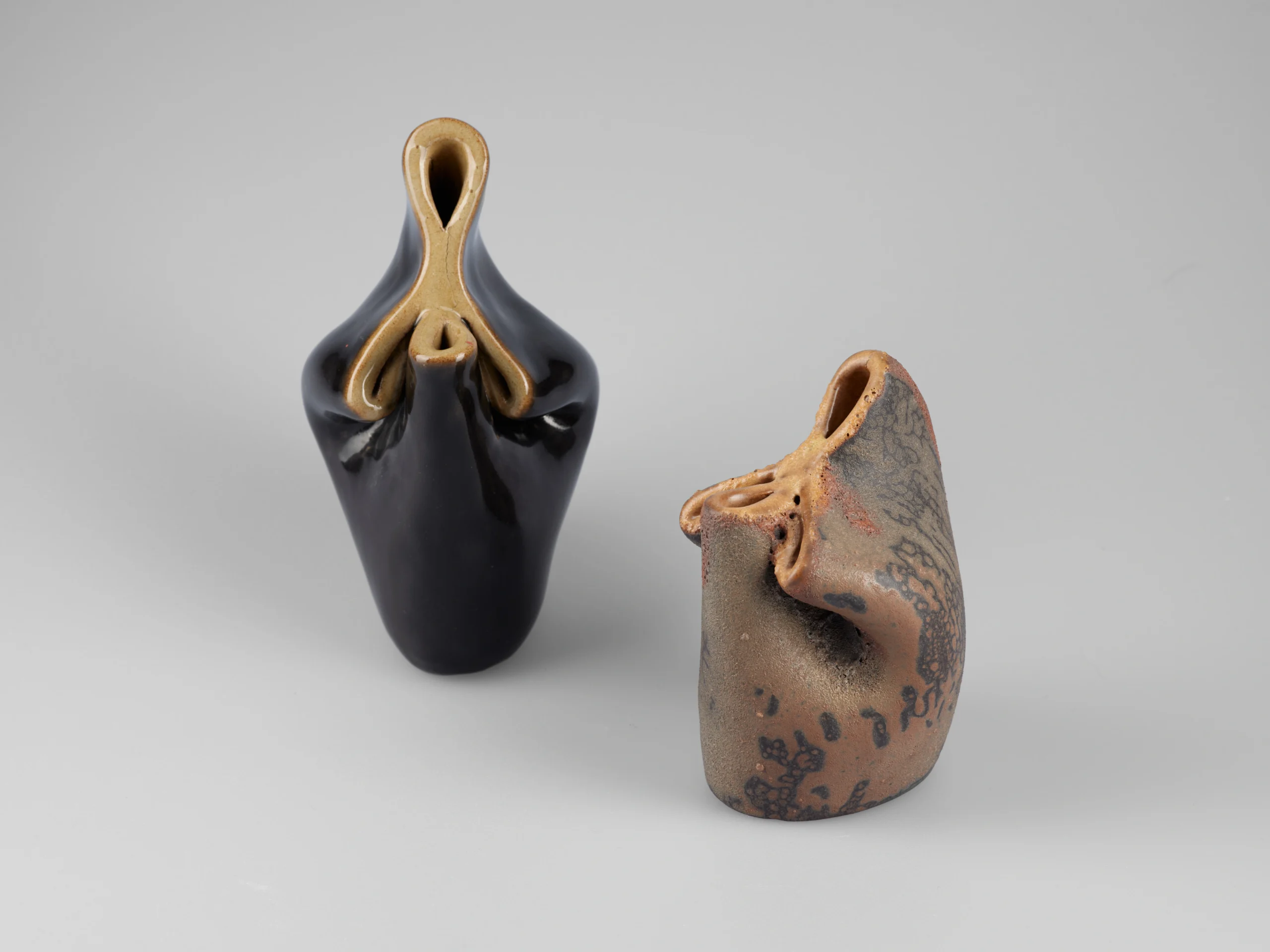
Wars are fought ideologically between men; in reality, they are waged over women’s bodies. Forced exposure of women, mass rape, enslavement after rape to prevent abortions, being sold into slavery, and much more… All these inhumane acts against women are defined as methods of warfare used solely to break the honor and courage of men. The victimized party, feeling their honor damaged, remains silent out of shame; they also silence women. The perpetrator, considering the possibility of punishment for their actions, does not speak out, hides, or denies.
We, women from all over the world, know what we have been subjected to. And I am determined to use every language possible to tell the story. This artwork was created in memory of the women whose breasts were cut off. Even if made of stone, it symbolizes embracing, protecting, and preserving those severed breasts, planting them like seeds to inspire new lives.
No form of violence can destroy women’s compassionate, protective, and life-giving nature. No matter what, we take pride in the effort we show to survive and draw courage from each other to keep rebuilding ourselves.
Women possess the wisdom that the continuity of the human species depends on them—on their ability to complete the gestation process, to give birth, and to keep the infant alive. The life instinct directs the woman to create a peaceful space. She knows that an isolated birth in an uncanny place would cost both her life and that of her child.
A woman turns her dwelling into a home and takes care to establish peaceful relationships with her surroundings. When the moment of birth arrives, she will need a room of her own and the help of people with whom she is in harmony—most especially, other women.
She cannot risk the life of the offspring she has birthed and nursed. She does not dream of forcibly occupying another space to expand her own living area. She strives to keep her dwelling safe and in peace with its surroundings.
History is the story of men and their wars. Inscriptions were erected to make the victories of male rulers seem credible. Women pass down their wisdom through generations, holding it within, without the need to prove anything to men. She knows that along with the milk from her breast, love, compassion, and conscience also flow.